Things I’ve Learned About Self-Publishing a Poetry Book | By Amy Roullier.
In 2024, I self-published my first poetry collection, Silent Reflections of a Fragile Heart. This year, I’m preparing to release my second, Sundays with Myself. I’ve even got a third poetry collection waiting in the wings for 2026, alongside a non-fiction book; part personal memoir, part social analysis, part research, and part pissed-off woman ready to rewrite the outdated narratives about single life.
Self-publishing has been one of the most fulfilling, terrifying, and educational things I’ve ever done. So, here are a few things I’ve learned along the way.
1. Writing a Poetry Book Is an Emotional Roller Coaster
Silent Reflections of a Fragile Heart traces my journey post-divorce. Through emotional abuse, heartbreak, and the quiet rebuilding of myself. Writing it meant revisiting wounds I thought had long healed. I had to relive moments I wanted to forget but knew I needed to release.
Writing poetry can be healing and cathartic, but it’s also emotionally draining. If you’re self-publishing, it’s not a quick process. You’ll hold your emotions close for months, sometimes years, reliving trauma and opening old wounds — until you’re ready to set them free.
2. One Book Won’t Change the World — But It Might Change You
I thought maybe my debut might spark something huge. Spoiler: it didn’t.
But what all self-published authors share is perseverance. Your first, second, and even third poetry collections might go unnoticed. But each one makes you a better writer. The journey refines you — your voice, your craft, your courage.
Who you are as a writer in Year 1 is completely different from who you’ll be in Year 5. And that growth? It’s priceless.
3. Not Everyone Will Be Supportive
Some of my friends were amazing. They bought my book instantly, asked for autographs, told me they were proud. My dad, a lifelong book lover, proudly keeps his copy on his shelf.
But others? Silent. Uninterested. Some never even asked about it. Didn’t buy it. Some watched from afar, waiting, perhaps, for me to fail.
And then there was my mum, who said simply: “I don’t like poetry,” and hasn’t asked anything about it since.
It stung. But here’s what I learned; your work won’t be for everyone. You’ll need to power through the silence, the doubt, the lack of validation. Because your writing isn’t for them, it’s for you.
4. There’s No Single Right Way to Market a Book
Marketing poetry is an art in itself. Some poets go viral performing on social media — like Rupi Kaur, Kori Jane Spaulding, Lucas Jones, Bri Anora, and Whitney Hanson. Others build slow, steady followings through newsletters, blogs, or small live readings.
Find what feels right for you. Poetry thrives on authenticity. Be real, be brave, be visible.
5. It’s Okay to Re-Edit Your Book
One of the best things about self-publishing through Amazon KDP is flexibility. You can fix typos, update formatting, or even add new poems — and within 72 hours, your revised book is live again.
I recently re-edited Silent Reflections of a Fragile Heart eight months after its release. Some said I shouldn’t, others said I should. But no one really knew — because there’s no rulebook.
I’d written new poems that fit beautifully with the original theme, and I couldn’t leave them out. Now, I feel prouder and more connected to the book than ever.
The takeaway? It’s your work — do what feels right.
6. Social Media Doesn’t Equal Sales
It’s easy to assume followers = sales. But that’s rarely the case.
Even poets with 100k followers sell modest numbers. They diversify — offering prints, workshops, or merchandise to make a living. So, if your sales are slow, it’s not a reflection of your worth.
Most writers juggle multiple income streams. The Authors Guild found that the median pre-tax income from book sales in 2022 was just $2,000. So release the pressure of “success.” Write because you love it. Let that be enough.
7. Use “Buy Me a Coffee” or Similar Platforms
I wish I’d joined Buy Me a Coffee years ago. It’s a lovely way for readers to show appreciation without committing to a purchase.
If you share poetry on social media, include a link in your bio — it’s a simple, gentle way to build community support.
8. I Marketed My First Poetry Book All Wrong
When I launched Silent Reflections of a Fragile Heart, I didn’t market it at all. I thought putting it on Amazon was enough. I assumed people would find it, buy it, review it.
They didn’t.
Marketing is essential. Here’s my plan for Sundays with Myself:
- Send out review copies to friends, family, and followers. Ask them to post a review on Amazon or Goodreads on the day of release.
- Run a social media giveaway.
- Ask them to post a review on Amazon or Goodreads on the day of release.
- Try a couple of paid review services.
- Most importantly, talk about my book.
9. Hitting “Publish” Is Just the Beginning
Self-publishing is tough, often lonely, and filled with uncertainty. But it’s also deeply rewarding.
Once you’ve finished your manuscript, edited, formatted, designed a cover, and hit publish — take a moment to breathe. Only 3% of people who start writing a book ever finish it. You’re one of them.
So be proud. Keep learning and creating. Keep putting your words into the world.
Because somewhere, someone will need to read them.
What has your self-publishing journey taught you so far?
Share your thoughts below — I’d love to hear your story.
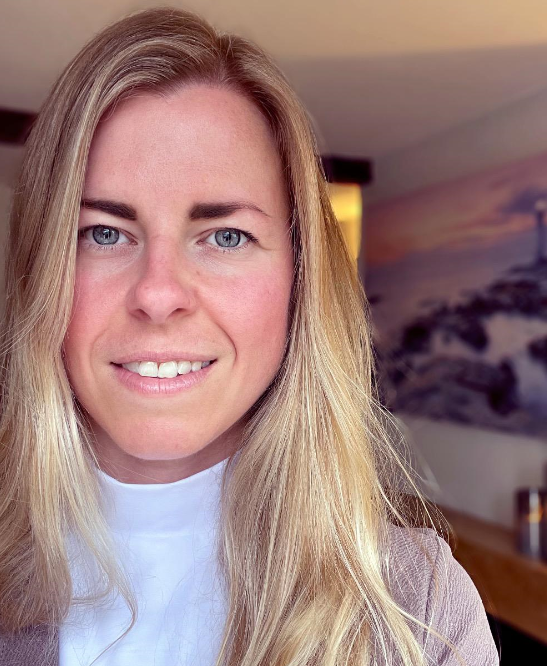
Amy Roullier
Amy Roullier is a British author and poet based in Lincolnshire. She’s a devoted lover of carbs (her true soulmate) and is currently navigating a midlife crisis one run at a time. Her NEW collection: Sundays with Myself, is coming 3rd February 2026. Her debut poetry collection Silent Reflections of a Fragile Heart, is out now on amazon. To subscribe to weekly essays on embracing life on your own terms, romanticizing solitude, and empowering independence, check out her Substack, Independently Yours. For more of her emotional poetry and reflections, follow her on insta @aroullier_writes
buy me a coffee: If you enjoy my words, buying me a coffee helps fuel the late nights, the early mornings, and the dream of becoming the writer I’ve always wanted to be. Thank you for being here. Donate here.