The Benefits of a Portfolio Career in Poetry and Writing | By Amy Roullier.
Poetry rarely ever pays its way in anything other than emotional resonance.
If you’re hoping to make money as a poet, become ultra-famous, pay off your debts, buy a house, and quit your corporate job to let poetry take care of you. Well, you might be disappointed. For most of us, poetry doesn’t pay in pounds or dollars; it pays in perspective. In emotional gold.
Poetry gives me an outlet to express what I can’t always say aloud. I can explore trauma, revisit painful wounds, patch them up, and give them room to heal. Writing has carried me through dark times. Through mental health struggles and moments where I wasn’t sure I wanted to be here. It gives me purpose. It keeps my head above water. So even if it never makes me money, I’ll keep doing it.
Still, someone should tell those of us who start out with big dreams of turning poetry into a full-time career: for most writers, it’s a creative portfolio career — one part passion, one part hustle, and one part realism.
I wish someone had told me this five years ago. It wouldn’t have stopped me from writing, but I think I would’ve enjoyed it more. I would’ve started my Substack sooner. I would’ve had a little more fun with it.
So, before we get to the benefits of a portfolio writing career, let’s run through a bit of truth-telling.
The Reality of the Business of Being a Poet
Here are five reasons why poetry probably won’t make you a millionaire (don’t worry, the good stuff’s coming after):
1. The market is saturated.
“Insta-poetry” made poetry cool again, with a few poets breaking through and creating a modern twist on performance art. But those success stories are rare. Building a following takes years of graft and a little luck with the algorithm.
2. Writers don’t earn much.
According to the Forward Arts Foundation, writers earn an average of £7,000 per year from their craft. Personally? Remove three zeros and you’re closer to my figure.
3. The audience is small.
There are more poets than poetry readers, which means even a “successful” poetry book might sell a few hundred copies. (Source)
4. Traditional publishing is a long shot.
Poetry presses rarely take on new voices. Unless you’ve built a following or already made a name for yourself, indie publishing is your best route and it can be incredibly rewarding.
5. Even when poetry pays, it pays small.
Literary magazines, contests, and journals often offer token payments for accepted work. The financial rewards are rarely stable or sustainable.
So Why Do It Anyway?
The Benefits of a Portfolio Career in Poetry and Writing
1. As Robert Graves said:
“There’s no money in poetry, but then there’s no poetry in money.”
And I think that’s true.
2. You become a better writer.
Staying “unknown” for a while is a gift. It gives you time to find your voice, evolve, and grow. Where I am as a writer now versus five years ago? Incomparable. Growth takes time, and the freedom to learn without the pressure of an audience.
3. You build resilience.
You know that feeling when you post your writing online, get 10 likes, and feel your heart sink? When your words echo into silence? That’s where resilience is built. You learn to ask yourself, “Was it the algorithm, or was it the writing?” and you grow either way.
4. It’s good for your mental health.
Writing isn’t just what I do; it’s how I stay balanced. It gives me purpose, perspective, and permission to feel. Poetry, in a way, is a journal written in stanzas — an ongoing record of my healing and discovery.
5. You can diversify your creativity (and income).
I wish I’d known this sooner: don’t put all your creative eggs in one basket.
A website, a Substack, a poetry book, maybe printed artwork or commissioned poems for weddings and birthdays — there are so many ways to share your work and earn small streams of income. It might not make you rich, but it makes your creative world richer.
Now that I’ve accepted poetry as a portfolio career — not my main source of income, but a passion that coexists with my day job — I’ve found a better balance.
I still write for one to two hours a day, but the pressure’s off. I can explore, rest, and enjoy the process again.
If you’re on that same path, I hope you find joy in it too. And if you do make it big, think of me, tucked away in my little cottage in Lincolnshire, self-publishing poetry and writing about indie author life, chasing dreams bigger than my heart could hold, and learning to love the freedom that comes with a portfolio career.
Are you an indie author, or building a portfolio career in poetry? I’d love to know about your journey, message me in the comments.
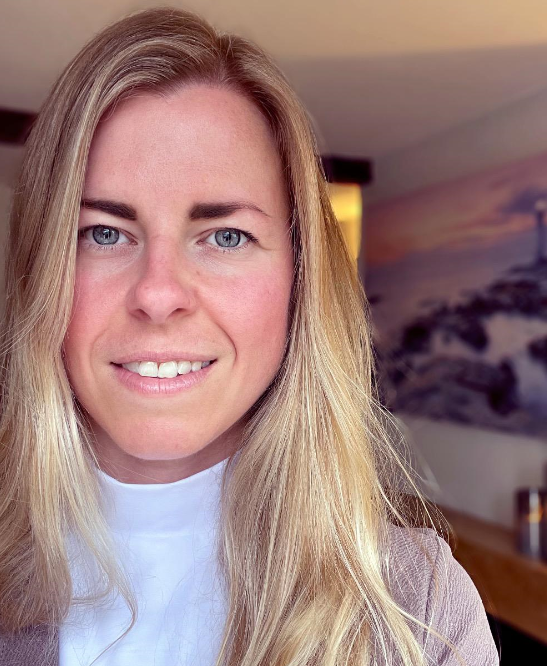
Amy Roullier
Amy Roullier is a British author and poet based in Lincolnshire. She’s a devoted lover of carbs (her true soulmate) and is currently navigating a midlife crisis one run at a time. Her NEW collection: Sundays with Myself, is coming 3rd February 2026. Her debut poetry collection Silent Reflections of a Fragile Heart, is out now on amazon. To subscribe to weekly essays on embracing life on your own terms, romanticizing solitude, and empowering independence, check out her Substack, Independently Yours. For more of her emotional poetry and reflections, follow her on insta @aroullier_writes
buy me a coffee: If you enjoy my words, buying me a coffee helps fuel the late nights, the early mornings, and the dream of becoming the writer I’ve always wanted to be. Thank you for being here. Donate here.